Monitoring results show marine outfalls operating within environmental standards
28 November 2025
At the recent Permit Advisory Forum on Friday 21 November 2025, the City of Cape Town’s independently appointed environmental monitoring organisation, released the first-year results (2024–2025) of its Receiving Environment Monitoring Programme. This assesses the environmental impact of wastewater discharged through the Green Point, Camps Bay, and Hout Bay marine outfalls.
The programme is part of the City’s commitment to safeguarding the marine environment and monitors water quality at 57 sites, every month. It gives insights into the condition of the coastal environment, to help ensure compliance with the Coastal Waters Discharge Permits (CWDPs) issued by the Department of Forestry, Fisheries and the Environment (DFFE).
In the first year, a total of 1 844 samples were analysed at the three outfalls, alongside 145 reference site samples.
Key Findings:
- Beach water quality at recreational beaches along the Atlantic seaboard showed no impairment from the outfalls.
- Water quality targets protective of marine ecosystems and human health were largely met across all sites, indicating that effluent constituents are sufficiently diluted within the designated mixing zones.
Extensive testing of seawater toxicity, assessment of impact on biodiversity and ecosystems, and analyses of sediments and marine organisms for potential contaminants, contributed to the conclusion that the outfalls continue to operate within their design parameters and do not pose any significant risk to the marine environment or human health.
‘The results of this monitoring programme confirm that our marine outfalls are operating safely. While monitoring continues to be vital, the assimilative capacity of the receiving environments has not been exceeded,’ said the City’s Mayoral Committee Member for Water and Sanitation, Councillor Zahid Badroodien.
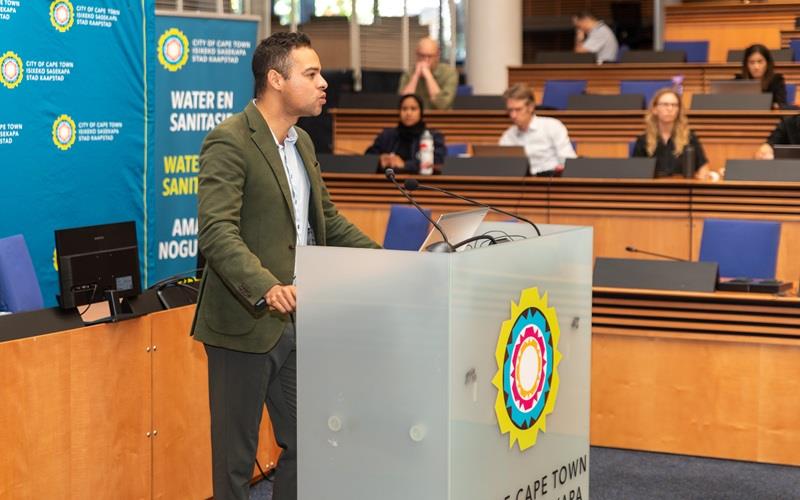
‘The City of Cape Town runs Africa’s most intensive coastal water quality monitoring programme – far outstripping any other metro in South Africa. Camps Bay beach alone, has one of the most intensive water quality monitoring programmes in the world for a single beach. The coastal water quality monitoring data presented at the PAF show that residents and visitors can expect clean, safe and welcoming beaches over summer,’ said Councillor Alex Lansdowne, Deputy Chairperson of the Section 80 Advisory Committee.
Effluent compliance remains high
Internal and independently audited results show strong compliance with DFFE permit limits:
- Camps Bay: 97,3% (City samples), 91,8% (Auditor samples)
- Green Point: 93,3% (City), 96% (Auditor)
- Hout Bay: 99,3% (City), 100% (Auditor)
Operational integrity
All three outfalls operated reliably during the reporting period:
- Camps Bay: No incidents; both pumps in service.
- Green Point: No incidents; two of four main pumps currently in service, with the remaining units returning from refurbishment by late November and mid-December.
- Hout Bay: No incidents; both pumps operational. Compactor screw reinstatement scheduled for 25 November 2025.
The City is also actively addressing marine outfalls through a comprehensive, multi-phase programme. The implementation of the options currently being investigated are subject to budget availability, potential environmental impact assessment and the outcome of feasibility studies.
Short-term improvements underway (refurbishment programme)
A refurbishment tender was awarded in November 2025 and is currently in the appeal period. Across all three outfalls, the refurbishment will focus on:
- Better screening systems for improved screenings removal
- Improved odour and safety systems
- Replacement or refurbishment of washwater pumps, drainage pumps, jockey pumps, and outfall pumps
- Modernised electrical and control equipment including enhanced monitoring and automation
These upgrades will enhance reliability, reduce odours and improve solids removal before discharge.
Medium-term improvements (under feasibility)
These upgrades will enhance the quality of effluent before it enters the marine environment:
- Phase 1A: Construction of Primary Settling Tanks, a fermentation process and upgraded inlet works.
- Phase 1B: Improved sludge management, including dewatering.
Long-term solutions (under feasibility)
A major strategic study has narrowed 60 possible long-term treatment options to nine, with a decision-support tool under development to refine these to six. Future phases may include:
- Phase 2A: Full biological treatment at coastal sites (activated sludge systems), sludge digestion and dewatering.
- Phase 2B: Advanced treatment systems for removing chemicals of emerging concern.
- These long-term solutions will undergo detailed feasibility assessments before implementation.
Blue Flag process presented at PAF
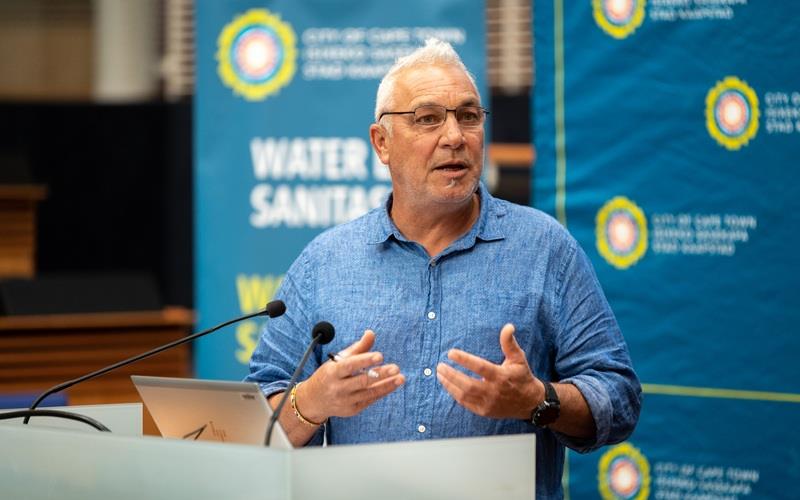
The PAF also featured a presentation by Mike Denison, Senior Manager for the Coastal Programme at Wildlife and Environment Society of South Africa (WESSA) on Blue Flag processes. Camps Bay and Clifton 4th, both on the Atlantic Seaboard, are among the eight Cape Town beaches awarded Blue Flag status for the 2025/26 season, reflecting strong coastal management and water quality performance.
Caption 1: Deputy Chairperson of the Section 80 Advisory Committee, Councillor Alex Lansdowne, addressing members at the quarterly Permit Advisory Forum.
Caption 2: Mike Denison, Senior Manager for the Coastal Programme at WESSA, outlining the Blue Flag evaluation process at the Permit Advisory Forum.
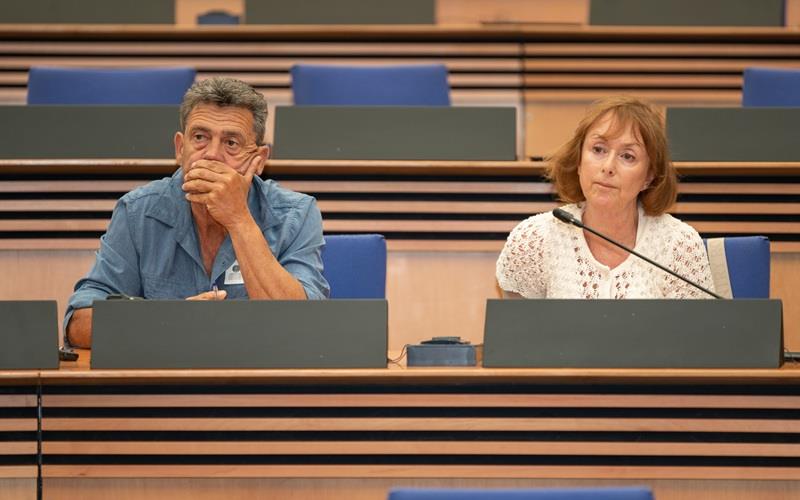
Caption 3: Section 80 Advisory Committee members Paul Moxley (left) and Caroline Marx (right) engaging with presenters during the Permit Advisory Forum.
End
Published by:
City of Cape Town, Media Office